
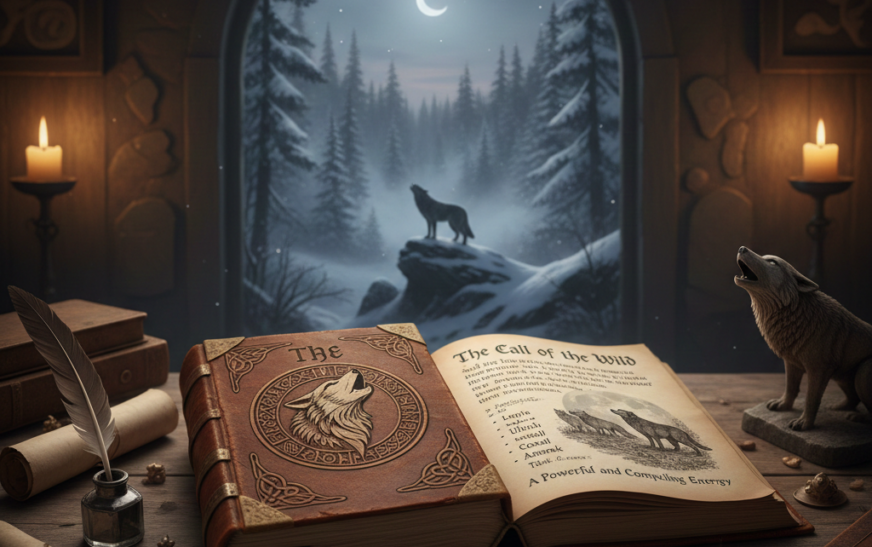
The wolf has long captivated the human imagination. A symbol of untamed wilderness, fierce loyalty, and primal instinct, its image is woven into the folklore and mythology of countless cultures. It is no surprise, then, that names meaning “wolf” carry a powerful and compelling energy. Choosing such a name is to invoke a spirit of strength, intelligence, and deep connection to the pack. This article explores the rich tapestry of wolf names from across the globe, delving into their linguistic roots, cultural significance, and the enduring allure of the lupine archetype.
The Archetype of the Wolf: More Than a Mere Animal
Before we explore the names themselves, it is essential to understand the weight of the symbol we are invoking. Consequently, the wolf is a creature of profound duality. In many Western traditions, it was historically cast as the villain, the big bad wolf of fairy tales, a figure of greed and destruction. However, a broader and older perspective reveals a vastly different creature. The wolf is a supreme survivor, an adept hunter with complex social structures. It embodies fierce independence yet unwavering loyalty to its pack. It is a guardian, a guide, and a symbol of sharp intelligence. Therefore, a wolf name often carries connotations of leadership, protective instinct, and a keen understanding of one’s family and community. It speaks to a soul that values freedom but not at the expense of connecting with a spirit that is wild at heart but deeply loyal.
A Global Pack: Wolf Names from Around the World
The universal resonance of the names that mean wolf is reflected in the astonishing variety of names it has inspired across languages and continents. Let us begin our journey in Europe, where many of the most familiar wolf names originate.
European Roots: From the Germanic Forests to the Celtic Moors
European languages offer a trove of classic and powerful wolf names. For instance, the Old German name Wolfgang, meaning “path of the wolf,” was immortalized by the composer Mozart and evokes a sense of destined strength. Similarly, Wolfram combines “wolf” and “raven,” two intelligent, strategic animals. From the Slavic regions, names like Vuk (Serbian/Croatian) and Vladek (derived from Slavic elements for “rule” and “wolf”) are straightforward and potent. Meanwhile, the Nordic tradition gives us Úlfr (Old Norse), a direct and ancient term for wolf.
Turning to the Celtic lands, we find names shrouded in legend. The Irish Conán, meaning “little wolf” or “hound,” is tied to heroic mythology. Faolán (or Phelan), translating to “wolf,” carries a lyrical and gentle sound belying its strong meaning. Additionally, the Welsh Bleddyn, stemming from “blaidd” (wolf), and the Scottish Lyall (from the Old Norse “Liulfr,” meaning “wolf”) add to this rich regional tapestry.
Beyond Europe: Indigenous, Asian, and Ancient Traditions
The wolf’s significance extends far beyond European shores. In particular, many Native American tribes hold the wolf in the highest esteem. Names like Maiingan (Ojibwe for “wolf”) and Cuhtahlatah (Cherokee, possibly meaning “wolf” in some contexts) reflect a deep spiritual connection, viewing the wolf as a teacher and pathfinder.
Moving across the globe to Asia, we find equally compelling options. The Turkish name Kurt directly means “wolf,” symbolizing strength and nationalism. In Japanese, Ōkami (wolf) carries a reverence for the animal’s sacred status in Shinto belief. Furthermore, from the ancient Sanskrit, we get Vrika, a term for wolf used in historical texts.
Not to be forgotten are the timeless names from antiquity. The Latin Lupus is the direct source for scientific classification and gives us the Italian Lupo and the Spanish Lobo. From Ancient Greece, Lykos (Λύκος) appears in historical and mythological contexts, such as the Spartan general Lycurgus, whose name may be derived from “wolf.”
Choosing Your Wolf Name: Considerations and Nuances
With such an abundance of options, selecting the right wolf name requires thoughtful consideration. First and foremost, understand the feeling you wish to convey. Are you drawn to the raw, direct power of Vuk or Kurt? Or does the intelligent, strategic aura of Wolfram or Lyall appeal more? Perhaps the mythic, heroic quality of Conan or the gentle strength of Faolán is the perfect fit.
Next, consider pronunciation and cultural context. A name like Maiingan is beautiful and meaningful but should be used with respect for its Indigenous origins. Similarly, Ōkami may be less practical in a non-Japanese setting. Therefore, research is key to ensuring the name is both appropriate and resonates personally.From the resounding howl of the Old Norse Úlfr to the strategic spirit of the Germanic Wolfram, these names carry the primal energy of the pack into the modern world. Parents now actively seek these powerful monikers, cultural enthusiasts embrace their global roots, and authors deliberately choose them to forge characters of instinct and loyalty, proving that the call of the wild still resonates deeply within us.
Moreover, think about gender associations. While many wolf names are traditionally masculine (Wolfgang, Vuk), others are more unisex or have feminine variants. The name Lupa, the she-wolf who nurtured Romulus and Remus in Roman myth, is a powerfully feminine option. Alternatively, names like Lyra (though not directly meaning wolf, associated with constellation near Lupus) or Cynthia (an epithet of the goddess Artemis/Diana, who was associated with wolves) offer a more indirect, evocative connection.
Modern Popularity and Symbolic Use
In recent years, names that mean wolf have seen a notable resurgence. This trend aligns with a growing appreciation for nature names, vintage revivals, and powerful meanings. For example, names like Koa (Hawaiian for “warrior,” often linked with a fearless spirit) and Arlo (possibly derived from the Old English for “fortified hill,” but often associated with a strong, natural feel) ride this wave. Fictional characters have undoubtedly played a role; the direwolves of Game of Thrones (Ghost, Nymeria) and protagonists like Teen Wolf‘s Scott McCall have kept lupine imagery in the popular consciousness.
Beyond first names, wolf meanings permeate surnames, place names, and literature. Surnames like Lovelock (from the French “lou” for wolf), Lupin (as in the Harry Potter werewolf), and Wolff are common. Ultimately, using a wolf name today is less about literal meaning and more about embracing an archetype a badge of resilience, intelligence, and fierce loyalty in a modern world.
Conclusion: Answering the Call
In conclusion, the journey through names that mean “wolf” is a journey through human culture itself. From the frosty forests of Scandinavia to the sacred mountains of Japan, the wolf has been a constant companion in our storytelling and symbol-making. These names are far more than labels; they are vessels for a potent set of ideals. They carry the echo of the pack’s howl, the wisdom of the hunter, and the unwavering bond of the family unit.
To choose a wolf name is to connect with a legacy of wildness and guardianship. It is a name for a leader, a protector, a free spirit with a deep heart. Whether you are naming a child, seeking a pen name, or crafting a character, a wolf name offers a profound connection to one of nature’s most iconic and misunderstood creatures. Finally, as we move forward in an increasingly complex world, perhaps we need the spirit of the wolf more than ever: adaptable, cooperative, fiercely loyal, and forever resilient a guide leading us back to the essential truths of nature and community.