
In an age where technology increasingly intertwines with our lives, a new software category has emerged. It sits at the intersection of security, parental responsibility, and digital oversight. spyhuman represents one of these monitoring solutions. Moreover, it has sparked both interest and debate about how we approach digital safety in our daily lives.
What is spyhuman?
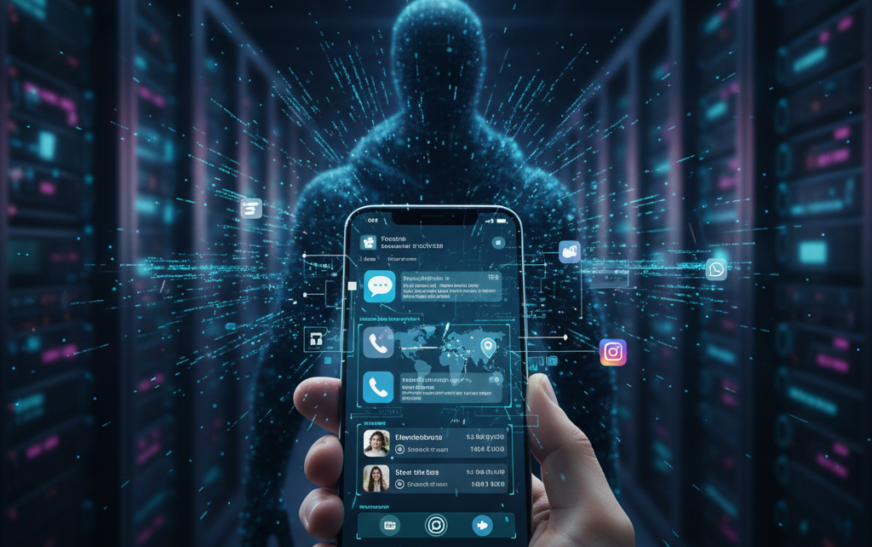
spyhuman is a mobile monitoring application. Essentially, it tracks and records activities on smartphones and tablets. Think of it as a digital observer that quietly documents what happens on a device. For instance, it captures text messages, call logs, social media interactions, and location data. The software operates in the background. Meanwhile, it collects information that the installer can later review.
At its core, spyhuman functions like a security camera for your phone. However, instead of recording video, it captures digital footprints. Specifically, it monitors the websites you visit, the conversations you hold, the photos you take, and the places you travel.
How spyhuman Works in Practice
The mechanics are relatively straightforward. First, you install the application on the target device. Once installed, the application then begins logging various activities. Subsequently, the software uploads this data to a secure online dashboard. The installer can access this dashboard from any web browser. Similarly, the process mirrors how fitness trackers monitor your steps. Both constantly collect information and present it in an organized format.
The software typically requires physical access to the device for initial setup. However, you can configure some features remotely once you complete installation. Additionally, it runs discreetly. Often, it displays no icon or obvious presence on the device.
Real-World Applications and Daily Life Trends
Parenting in the Digital Age
The most common legitimate use case revolves around parental oversight. Modern parents face a unique challenge. Their children carry powerful computers in their pockets. Furthermore, these devices provide access to the entire internet, including its darker corners. Consequently, spyhuman and similar tools emerge from this anxiety.
Picture a parent whose 12-year-old just received their first smartphone. Naturally, they want to ensure their child stays safe. They worry about cyberbullying, communication with strangers, or access to inappropriate content. For these parents, monitoring software feels like a digital extension of knowing who their kids spend time with at the park.
Workplace Device Management
Some businesses use monitoring tools on company-owned devices. Primarily, they ensure employees use resources appropriately. Additionally, they protect sensitive company information. In industries handling confidential data or with strict compliance requirements, this level of oversight can be part of standard security protocols.
The Technology Behind the Curtain
spyhuman leverages several technological capabilities that have become standard in modern smartphones:
Accessibility Services: Developers originally designed these phone features to help users with disabilities. Nevertheless, people can also use them to read screen content and log keystrokes.
Location Services: The same GPS technology that helps you navigate or tag photos also enables location tracking.
Cloud Synchronization: Your photos automatically backup to the cloud. Similarly, monitoring data syncs to remote servers for access anywhere.
Background Processing: Modern operating systems allow apps to run processes even when not actively open. As a result, this capability enables continuous monitoring.
The Broader Context: Where spyhuman Fits in Technology Trends
The Privacy Paradox
We live in a contradictory digital era. Interestingly, we voluntarily share enormous amounts of personal information with tech giants. For example, we share our locations with Google Maps. We share our faces with social media. We share our purchasing habits with Amazon. Yet we’re simultaneously more concerned about privacy than ever before.
spyhuman exists in this paradox. On one hand, the technology enables us to stay connected, find information instantly, and coordinate our lives. On the other hand, it also makes surveillance remarkably accessible and affordable.
The Democratization of Surveillance
Twenty years ago, the kind of monitoring spyhuman provides would have required expensive resources. Back then, you would need private investigators or sophisticated law enforcement technology. Today, anyone with a credit card can access similar capabilities. Therefore, this democratization of surveillance technology raises important questions. Ultimately, we must consider power, trust, and boundaries in personal relationships.
The Erosion of Digital Privacy
Privacy was once considered a fundamental right. However, maintaining it is becoming increasingly difficult. Government surveillance programs collect data. Corporate systems gather information. Personal monitoring tools track activities. Consequently, the notion of private digital communication is evolving. In this context, spyhuman represents the personal, interpersonal dimension of this shift.
The Ethical Minefield
This is where things get complicated. Monitoring a young child’s device with their knowledge might seem reasonable to many. However, people can misuse the same tool in troubling ways.
Relationship Trust: Some individuals install monitoring software on partners’ phones without consent. In doing so, they turn what could be a safety tool into an instrument of control. Clearly, healthy relationships are built on trust and communication, not secret surveillance.
Legal Boundaries: Laws vary significantly by location. However, in many jurisdictions, installing monitoring software on an adult’s device without their knowledge is illegal. Essentially, it’s equivalent to wiretapping.
The Consent Question: Even in parent-child relationships, experts debate the approach. Should monitoring be transparent or covert? At what age does such oversight become inappropriate? Unfortunately, these questions remain contentious.
A Practical Understanding: The User Experience
For someone using spyhuman, the experience typically involves logging into a web portal. Once logged in, the system organizes information into categories. Messages appear in one section. Meanwhile, call logs appear in another. Additionally, location history shows movement patterns on a map. Designers created it to be comprehensive yet manageable. Thus, it presents potentially overwhelming amounts of data in digestible formats.
The monitored person, if unaware, would notice nothing different about their device’s performance or appearance. Conversely, if aware, they might feel constantly observed. Understandably, they know that someone records their digital actions.
The Impact on Digital Behavior and Mental Health
The presence of monitoring software creates interesting psychological effects. People who know their devices are monitored often change their behavior significantly. For instance, they self-censor their messages. They avoid certain websites. They become more cautious about their digital expressions. In some contexts, this behavioral modification can be positive, such as preventing risky online activities.
However, constant surveillance can also create anxiety and stress. Teenagers monitored without their knowledge may feel betrayed when they discover the truth. Similarly, adults in relationships may experience erosion of self-esteem and autonomy. Moreover, the psychological impact extends beyond the immediate monitoring. Indeed, it shapes how individuals view privacy, trust, and personal freedom in the digital age.
The Future of Monitoring Technology
The monitoring software industry continues to evolve rapidly. New features emerge regularly. Currently, artificial intelligence now analyzes patterns in communication. Furthermore, machine learning algorithms detect concerning behavioral changes. Some applications now offer predictive alerts based on activity patterns. Undoubtedly, these technological advancements make monitoring more sophisticated and potentially more invasive.
Looking forward, we can expect monitoring tools to become even more integrated with emerging technologies. Wearable devices will provide additional data streams. Smart home systems will offer new surveillance opportunities. Virtual and augmented reality platforms will create new monitoring challenges. As these technologies develop, society will need to establish clearer ethical guidelines and legal frameworks. Without question, the conversation about digital privacy and monitoring will only become more critical in the coming years.
The Alternative Perspective: Open Dialogue Over Digital Spying
Technology experts and child psychologists increasingly advocate for different approaches. Instead of covert monitoring, they suggest that teaching digital literacy works better. They recommend maintaining open communication. Additionally, they propose using transparent parental controls. Overall, these methods offer healthier long-term outcomes than secret surveillance.
Setting boundaries together can be more effective. Discussing online risks openly builds understanding. Building trust creates a foundation for safety. Clearly, these approaches are certainly more ethical than monitoring every digital action without knowledge or consent.
Conclusion: Technology Reflecting Our Times
spyhuman is more than just an app. Rather, it’s a mirror reflecting our contemporary anxieties about technology, safety, and control. It exists because we’ve created a particular kind of world. Powerful communication tools are now ubiquitous. Dangers feel both more distant and more immediate than ever before. Meanwhile, traditional methods of oversight don’t translate easily to digital spaces.
The software itself is neutral. Ultimately, the context and manner of its use determine whether it serves as a protective tool or an invasive violation. As we navigate our increasingly digital lives, we must grapple with difficult questions. How do we balance safety with privacy? When does protection become control? Where is the line between reasonable oversight and intrusive surveillance?
Tools like spyhuman exist and remain popular. This suggests we haven’t yet found comfortable answers to these questions as a society. Perhaps the most important takeaway isn’t about the technology itself. Instead, it’s about what its prominence reveals. In our rush to embrace digital connectivity, we’re still figuring out the rules. We’re still determining the boundaries. Furthermore, we’re still defining the ethics that should govern our online lives.
As technology continues advancing, the conversation around monitoring software will evolve. The challenge for all of us is ensuring that we use these powerful tools wisely. We must use them ethically. Moreover, we must use them with respect for the dignity and autonomy of others. This remains true even when we have the technical capability to observe everything they do.