
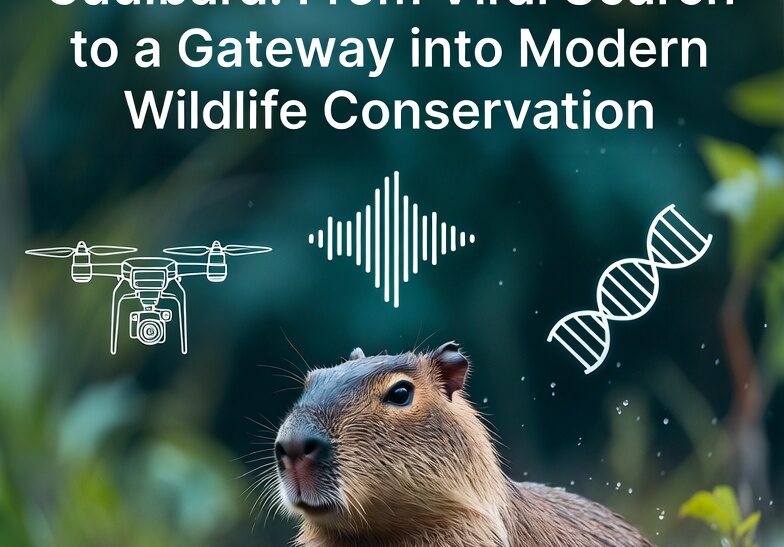
When people type cadibara into search engines, they usually seek information about one of the internet’s favorite animals. This term represents a common phonetic spelling or playful misspelling of capybara, the world’s largest living rodent. Consequently, what begins as a simple query opens doors to remarkable biology and, more importantly, groundbreaking technologies that safeguard these semi-aquatic giants and their habitats.
This article clarifies the confusion while delivering far more value. Readers gain accurate insights into capybara life and explore how innovations such as GPS tracking, AI-powered drones, bioacoustic monitoring, and environmental DNA (eDNA) transform conservation efforts. Furthermore, these tools empower everyday enthusiasts through citizen science and responsible eco-tourism, turning curiosity into meaningful action.
Understanding the Capybara: The Basics
Capybaras (Hydrochoerus hydrochaeris) thrive across South America’s wetlands, rivers, and grasslands, from Panama to Argentina. Adults reach up to 1.3 meters (4.3 feet) in length and weigh as much as 66 kilograms (145 pounds), yet they remain remarkably gentle. Their barrel-shaped bodies feature webbed feet ideal for swimming, eyes and nostrils positioned high on the head for aquatic vigilance, and coarse reddish-brown fur that repels water effectively.
Notably, capybaras live in stable social groups of 10 to 20 individuals, though numbers swell during dry seasons around shrinking water sources. They graze primarily on grasses and aquatic plants, functioning as ecosystem engineers that maintain vegetation balance. In stark contrast to many rodents, they exhibit calm temperaments, often sharing spaces peacefully with birds, turtles, and even caimans. This sociability fuels their internet fame as “the friendliest animal,” yet habitat loss, hunting, and climate shifts threaten wild populations in several regions. Therefore, modern science turns to technology for precise, non-invasive protection strategies.
The Digital Dawn: How GPS and IoT Collars Are Unveiling a Secret World
Researchers equip select capybaras with lightweight GPS and Internet of Things (IoT) collars that transmit real-time location data via satellite or cellular networks. These devices reveal daily movement patterns, preferred feeding zones, and responses to seasonal flooding. Consequently, scientists map critical corridors that connect fragmented habitats, informing land-use policies that prevent further isolation of herds.
IoT sensors additionally monitor vital signs such as body temperature and activity levels, providing early warnings of stress from drought or human encroachment. Data feeds into cloud platforms where machine learning algorithms identify behavioral anomalies. For example, sudden avoidance of traditional watering holes may signal pollution or predator pressure. Thus, conservation teams deploy targeted interventions, such as habitat restoration or anti-poaching patrols, based on evidence rather than guesswork. These collars weigh under 200 grams and use solar-rechargeable batteries, ensuring minimal impact on the animals while delivering months of continuous insights.
Eyes in the Sky: AI-Powered Drone Surveys for Population Monitoring
Drones equipped with high-resolution cameras and thermal imaging sensors conduct efficient aerial surveys over vast wetlands where ground access proves challenging or disruptive. AI software processes thousands of images rapidly, automatically counting individuals, identifying age classes, and detecting health indicators such as skin conditions or injuries.
In practice, one drone flight covers areas that would require weeks of manual effort, achieving detection rates far superior to traditional boat or foot patrols. Moreover, thermal drones spot capybaras at night or in dense vegetation by their heat signatures. Conservation organizations in the Pantanal and Orinoco basins increasingly rely on these tools to generate accurate population estimates, which guide sustainable management decisions. Furthermore, AI reduces human bias and fatigue, producing consistent results across repeated surveys. As drone technology becomes more affordable, local communities participate in monitoring programs, fostering ownership of conservation outcomes.
Eavesdropping on Ecosystems: Bioacoustics and the AI Soundscape Analysis
Capybaras produce a rich repertoire of vocalizations, including whistles, barks, and even ultrasonic calls associated with distress or social bonding. Passive acoustic recorders placed strategically near water bodies capture these sounds 24/7 without disturbing the animals. Advanced AI models then analyze vast audio datasets, distinguishing capybara calls from background noise and other species.
This bioacoustic approach maps presence across large landscapes and assesses group dynamics or reproductive activity through call frequency. Notably, integration with machine learning platforms like those used for bird monitoring allows real-time alerts when unusual silence indicates disturbance, such as illegal hunting or habitat degradation. Researchers combine acoustic data with GPS tracking to correlate vocal behavior with movement, uncovering subtle stress responses invisible to visual observation. Consequently, bioacoustics offers a scalable, cost-effective layer of ecosystem intelligence that complements other monitoring methods.
The Invisible Fingerprint: Environmental DNA (eDNA) and Conservation 2.0
Environmental DNA sampling detects genetic material shed by capybaras into water, soil, or even stemflow from trees after rain. Scientists filter small water samples and sequence the DNA to confirm species presence, estimate population density, and evaluate genetic diversity without ever seeing an animal.
Recent studies in zoo and wild settings demonstrate that eDNA reliably tracks capybaras and co-occurring species, revealing hidden biodiversity hotspots. Furthermore, airborne eDNA collection via filters or spider webs expands coverage to terrestrial zones. This non-invasive technique proves particularly valuable in remote or protected areas where traditional surveys risk disturbing sensitive ecosystems. Conservationists use eDNA data to monitor recovery after habitat restoration projects or to detect early signs of disease outbreaks. As sequencing costs continue to drop, citizen scientists contribute samples through mobile kits, democratizing biodiversity research on a global scale.
How This Technology Helps You: From Citizen Science to Ethical Eco-Tourism
These innovations extend benefits far beyond professional biologists. Apps powered by AI allow hikers and tourists to upload photos or audio recordings of wildlife for instant species identification and contribution to global databases. In capybara-friendly destinations across South America, guided eco-tours incorporate drone footage or live tracking data, educating visitors while minimizing physical disturbance.
Participants in citizen science projects collect water samples for eDNA analysis or help annotate camera-trap images online, accelerating research while building public connection to nature. Responsible operators adhere to strict guidelines that prioritize animal welfare, ensuring tourism revenue supports local conservation funds. Therefore, enthusiasts transform passive admiration into active stewardship, creating sustainable economic incentives for habitat protection.
Conclusion: Turning Curiosity About Cadibara into Lasting Impact
The journey from searching cadibara to understanding capybaras reveals far more than basic biology. It highlights how GPS collars, AI drones, bioacoustics, and eDNA sampling collectively revolutionize wildlife conservation by delivering precise, ethical, and scalable solutions. These technologies not only protect the world’s largest rodent but also strengthen entire wetland ecosystems upon which countless species depend.
By embracing verified information and engaging with citizen science opportunities, readers channel online curiosity into tangible contributions. The future of conservation looks promising as digital tools evolve, empowering communities and individuals alike to safeguard biodiversity. Ultimately, appreciating the gentle capybara inspires broader commitment to innovative, hopeful stewardship of our planet’s remarkable wildlife.